Pet Stain Odour Removal in TW9: Reliable Help for Homes, Flats, and Local Businesses
If you live or work in TW9 and you are dealing with an accident left behind by a cat, dog, puppy, or older pet, you are not alone. Pet stain odour removal in TW9 is one of those services people often need quickly, especially when a smell has settled into carpet, upholstery, rugs, mattresses, or hard flooring and has started to affect the comfort of the space. Whether the problem is fresh or has been building up over time, the right treatment can make a big difference to how your home or business feels.
In a busy area like TW9, where properties range from period terraces and converted flats to modern apartments, family homes, offices, and small hospitality spaces, pet accidents can be especially frustrating. A local service matters because it understands the everyday realities of the area: limited parking, shared entrances, stair-only access, busy roads, and the need to work neatly and efficiently around residents, tenants, guests, or staff.
This page explains what is involved, what areas we cover, how the service works, what affects pricing, and how to prepare for a visit. If you need help with pet urine smell, lingering animal odours, or visible staining, you can request a free quote or book your service now when you are ready.
Why pet stain and odour problems need prompt attention
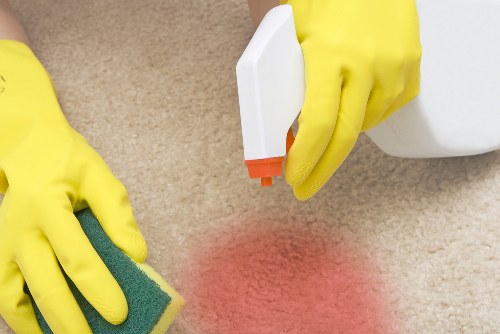
Pet stains are not just a surface issue. Urine can soak into fibres, underlay, padding, and even subfloor materials if it is not treated correctly. That means a patch that looks small on the surface may still be releasing a strong smell every time the room gets warm, damp, or closed up for a while. In TW9 homes, especially in flats and compact properties, that smell can spread quickly and make an entire room feel unpleasant.
Odour removal is also about hygiene and peace of mind. Lingering pet smells can affect daily routines, reduce comfort for family members, and make it harder to welcome guests. In rented homes or managed buildings, untreated pet stains can become a source of tension if they cause complaints or leave damage that needs extra attention later on.
Acting early often improves the outcome. Fresh stains are usually easier to treat than old ones, but even long-standing odours can often be improved with the right process. The important thing is to avoid masking the problem with fragrance alone, because that usually only hides the smell for a short time.
Common situations we help with in TW9
Local customers contact us for a wide range of reasons, including puppy training accidents, older pets with incontinence issues, repeated marking, post-illness clean-ups, and accidental damage in a property that has been vacant for a while. We also help with smells left behind on furniture, stair runners, rugs, car interiors, and soft furnishings that absorb odour quickly.
What makes a local TW9 service useful
Choosing a nearby team for pet stain odour removal TW9 can save time and reduce stress. Local service providers are better placed to respond quickly, understand the practicalities of Richmond-style streets and surrounding neighbourhoods, and plan a visit around parking restrictions, controlled access points, and building layouts that can slow a less prepared team.
TW9 includes a mix of residential streets, riverside properties, and commercial premises, each with different needs. A ground-floor family home may need treatment for carpet and soft furnishings, while a top-floor flat may need careful movement of equipment through shared hallways and stairwells. Offices, salons, nurseries, shops, and short-let properties may need odour control completed with minimal disruption and a tidy finish.
Local knowledge matters because it helps with timing, access, and the right approach. For example, a property near busy routes or in a managed block may require a shorter appointment window, clearer arrival planning, and careful handling of equipment. A local team can often work more efficiently because it already knows the common access challenges in the area.
Who uses this service?
- Homeowners dealing with one-off accidents or long-term odour
- Tenants and landlords preparing a property for inspection or re-let
- Managing agents handling complaints or end-of-tenancy cleaning needs
- Businesses that want a fresh, professional environment for staff and customers
- Pet owners who need practical help after repeated stains or marking
What is included in pet stain odour removal

A proper service goes well beyond a quick spray or standard clean. The aim is to identify the source of the odour, treat the affected area, and reduce the chance of it returning. The exact method depends on the material, the age of the stain, and how deeply the liquid has penetrated.
In many cases, the work may include inspection, pre-treatment, targeted stain treatment, odour neutralisation, deep cleaning, and, where suitable, extraction from carpet or upholstery. On certain surfaces, additional steps may be needed to reach material beneath the visible layer. The goal is always to use the right method for the specific problem rather than applying a one-size-fits-all approach.
For customers in TW9, this is especially helpful where a property includes a mix of older and newer materials. Period flooring, fitted carpets, wool rugs, sofa fabric, and mattresses all react differently, and the treatment plan should reflect that. A careful technician will consider colourfastness, fibre type, drying time, and whether the stain has already been set by previous cleaning attempts.
Typical service elements
- Assessment of the stained or odorous area
- Identification of likely source points
- Pre-treatment suited to the material
- Cleaning or extraction where appropriate
- Odour neutralisation and finishing treatment
- Advice on drying, ventilation, and aftercare
Important: not every job needs the same process. Sometimes a single treated area solves the problem; other times, several spots or a larger section of flooring must be addressed to remove the smell properly.
How the service works from start to finish
The process usually begins with a straightforward discussion of the issue. Customers can explain where the stain is, how long it has been there, what type of pet caused it, and which surfaces are affected. That helps determine the likely treatment method and whether the odour is concentrated in one area or has spread through the room.
On arrival, the area is normally inspected carefully. The technician may look for hidden staining along edges, under furniture, near skirting boards, or in places where pets tend to revisit. This matters because animals often return to the same spot, and even if the visible mark is cleaned, a residue can keep attracting them back.
Once the issue is identified, treatment is applied with attention to the material and the severity of the odour. After that, customers are usually given practical advice on drying, ventilation, and how to avoid re-soiling the same spot. In some cases, additional visits may be recommended if the stain has been present for a long time or if the substrate beneath the surface is affected.
Why a careful approach matters
Trying to scrub aggressively can push the stain deeper or damage fibres. Strong household products can also set certain stains, especially if they are used in the wrong order. A trained, methodical approach is safer and more effective, particularly for delicate rugs, upholstery, and soft furnishings that are expensive to replace.
For local residents, time and convenience matter too
When you are managing work, school runs, pets, tenants, or visitors, you need the job done with as little disruption as possible. That is why a local service can be helpful: it is easier to schedule around your routine and deal with access challenges that are common in TW9 streets and apartments.
Where pet stains and smells are most common
Pet odours can appear in more places than customers first expect. The most common areas include carpets, rugs, sofas, cushions, mattresses, stairs, hallway runners, and fabric dining chairs. In some homes, the issue is only one visible mark, but the smell seems to linger across the whole room because the fibres have held on to the residue.
Other common problem spots include corners behind furniture, the base of curtains, crate areas, utility rooms, and entrance halls where pets may have had accidents after returning from a walk. In flats and maisonettes, small spaces can make odours seem stronger, which is why a targeted treatment is often needed rather than a quick surface clean.
Commercial properties in TW9 can also face issues. Pet-friendly offices, dog groomers, waiting areas, short-let accommodation, and hospitality settings may all need reliable odour management. A fresh-smelling property creates a better experience for staff, visitors, and customers, and it helps protect the overall presentation of the space.
Materials that often need specialist attention
- Wool, synthetic, and blended carpets
- Oriental and decorative rugs
- Fabric sofas and armchairs
- Mattresses and headboards
- Stair carpets and fitted runners
- Upholstered office seating
Why odour returns after basic cleaning
Many customers have already tried to clean the area themselves before calling for help. That is understandable, but basic cleaning often removes only the visible mark, not the source of the smell. Urine can break down into compounds that keep releasing odour, especially in warm rooms or when humidity rises. That is why a room can seem fine at first and then smell again later in the day or after the heating comes on.
Another reason smells come back is that moisture can spread the original accident further into the backing or underlay. If the top layer is cleaned but the lower layers are left untreated, the odour remains trapped below the surface. In older properties and multi-level flats, this can be especially frustrating because the smell may seem to come from nowhere.
Odour can also be reactivated by poor drying. If the area stays damp after cleaning, it can intensify the smell and create a longer drying cycle. A proper treatment plan should therefore address both the stain and the moisture level, rather than focusing only on appearance.
Signs you may need professional help
- The smell returns after cleaning
- The pet keeps going back to the same area
- The stain has soaked through to the underlay
- There is a large or older patch with discolouration
- Multiple rooms or furnishings are affected
How we help different property types in TW9
TW9 includes a wide variety of property styles, and each one brings different cleaning considerations. A flat with limited space may need equipment carried carefully through shared access areas. A Victorian or Edwardian property may have older flooring, decorative carpets, or delicate materials that need extra care. A modern apartment may have fitted carpets and sealed surfaces that require a slightly different approach.
Landlords and letting agents often want the property ready for the next occupancy as efficiently as possible, while families may be more concerned with restoring comfort in a room that is used every day. Commercial customers often want the work completed around opening hours or staff schedules, with minimal disruption and no lingering chemical odour.
This flexibility is one of the biggest advantages of using a local team. The service can be adapted to the property type, the urgency of the problem, and the practical constraints of the building. That means the work is more likely to be completed neatly and in a way that suits the customer’s needs.
Examples of customer needs we can support
- End-of-tenancy odour removal before handover
- Post-accident treatment in a family living room
- Repeated marking in an entrance hallway
- Upholstery cleaning after a new puppy arrives
- Commercial refresh after pet-friendly use
What affects the cost of the service
Customers often want to understand what influences pricing before they book. Because every stain and odour issue is different, the cost depends on several practical factors rather than a simple fixed figure. The size of the affected area, the material involved, the age of the stain, and whether the odour has reached underlay or subfloor all play a part.
Access can also affect the job. If the property is on an upper floor with limited parking or restricted entry, more time may be needed to set up and carry equipment. Likewise, a heavily furnished room may take longer to treat because items may need to be moved carefully before the actual cleaning begins.
For customers in TW9, it is often helpful to request an inspection or quote with a clear description of the problem. Photos can sometimes assist, especially when the issue is on upholstery or a rug. The more detail you can provide, the easier it is to recommend the right treatment and explain what is likely to be involved.
Main pricing factors
- Size of the affected area
- Type of surface or fabric
- Age and severity of the stain
- Whether odour has reached deeper layers
- Need for multiple treatments or extra care
- Access conditions and property layout
How to prepare before the visit
A little preparation can help the appointment run more smoothly and may improve the final result. You do not need to deep clean before the service. In fact, it is usually better not to apply random products or add more moisture before the issue has been assessed. The focus should be on giving the technician clear access to the problem area.
If possible, remove small objects, pet bedding, toys, and anything fragile from around the stained area. If the problem is in a room with furniture, try to make the affected section accessible so the technician can inspect it properly. If there are multiple spots, make a note of them, even if some are less obvious than others.
It can also help to think about your pets’ behaviour. If the same area has been targeted more than once, or if there are signs of repeated marking, mention this when you enquire. That information helps shape the treatment plan and can also inform the aftercare advice you receive.
Preparation checklist
- Clear access to the stained area
- Move breakables and small items nearby
- Make a note of all affected spots
- Avoid using random cleaning chemicals beforehand
- Let the team know about pet behaviour patterns
What not to do before treatment
Avoid soaking the area repeatedly with water or strong cleaning solution, because this can spread the stain or push it deeper. Also avoid heavy scrubbing, which may damage the surface and make the final treatment less effective. If you are unsure, it is usually best to leave the area as it is until it can be properly assessed.
Why choose a local company for pet stain odour removal in TW9
A local company can offer more than convenience. It is often better placed to provide realistic appointment times, understand the local property mix, and respond to situations that need urgent attention. Customers also tend to appreciate working with a team that is familiar with the local area and can adapt to the pace and practicalities of nearby streets and buildings.
When dealing with odour, subtle details matter. A quick walk-through may reveal hidden marking points or a secondary stain behind a sofa or under a side table. A local technician who regularly works in the area is more likely to notice the common problem areas found in compact flats, shared homes, and older properties.
There is also value in a service that feels straightforward. Many customers want clear advice, no pressure, and practical next steps. A good local provider should explain what can be treated, what may need extra care, and what results are realistic based on the material and the condition of the stain.
Benefits customers often value
- Faster scheduling and local familiarity
- Better understanding of access and parking challenges
- Suitable for homes, rentals, and commercial spaces
- Practical advice tailored to the property
- Efficient service with minimal disruption
Areas covered around TW9
Customers in and around TW9 often want a service that covers nearby streets and neighbouring locations as part of the same local area. That typically includes surrounding residential zones, riverside properties, converted buildings, managed flats, and nearby commercial premises. If you are based close to Richmond town centre or within the wider local district, a nearby team can usually respond more efficiently than one travelling from far away.
Because every neighbourhood has its own layout, access arrangements, and parking limitations, local coverage matters. Whether the property is in a busy side street, a quiet residential road, or a building with shared entry, the service should be planned around the realities of the location rather than forcing a generic schedule.
If you are unsure whether your address falls within the usual area covered, it is sensible to enquire directly and describe the property type. That is often enough to confirm whether the job can be handled and what arrangements may be needed on the day.
Frequently asked questions
Can pet urine smells really be removed completely?
In many cases, yes, the odour can be greatly reduced or removed when the correct method is used. Results depend on the material, the depth of penetration, the age of the stain, and whether the problem has reached underlay or deeper layers. Very old or severe cases may need more than one treatment.
Is it safe for pets and children?
Safety depends on the products and methods used, along with proper drying and ventilation. A professional service should explain any precautions clearly so you know when the area can be used again comfortably. If you have sensitive pets or family members, mention this when you enquire.
Do you treat carpets only?
No. Pet stain and odour removal can also be applied to rugs, upholstery, mattresses, and some hard flooring situations where residue or smell has become trapped. The treatment method changes depending on the surface.
What if the smell is strongest in one corner only?
That often means the pet has returned to the same spot multiple times or the liquid has spread into the edge of the carpet or underlay. A proper inspection will help identify whether the visible stain is the whole issue or whether a larger area should be treated.
Can you help if I already tried cleaning it myself?
Yes. Many customers call after trying a shop-bought cleaner or home remedy. That does not mean the job cannot still be improved. It simply means the stain may need a more targeted approach now that the first attempt has not fully solved the issue.
How soon should I book after an accident?
Ideally as soon as possible. Fresh stains are usually easier to treat, and early action can prevent the odour from settling deeper into the material. If the stain is already old, it is still worth arranging an assessment because meaningful improvement is often possible.
Book pet stain odour removal in TW9
If pet accidents, lingering smells, or visible stains are affecting your home or business, the easiest next step is to arrange a local assessment. A prompt visit can help you understand what is needed, what the likely outcome is, and how soon the area can feel fresh again.
Whether you are dealing with a single stain in a flat, repeated marking in a family house, or odour in a commercial property, pet stain odour removal in TW9 is about restoring comfort, hygiene, and confidence in the space. The sooner you deal with it, the better the chance of avoiding deeper damage and repeated smell issues.
Contact us today to request a free quote, discuss your situation, and arrange a service time that works for your property and schedule. If you need help quickly, book your service now and take the first step toward a cleaner, fresher room.