Health and Safety Policy for Cleaners TW9
 Our Health and Safety Policy for Cleaners TW9 sets out the standards we follow to protect staff, clients, and visitors during every cleaning task. It applies to all routine and specialist work, including domestic, office, communal, and after-hours cleaning. The aim is simple: reduce risk, maintain safe working conditions, and ensure that every cleaner understands how to work responsibly. This policy supports a professional approach to cleaning services by combining clear procedures, safe equipment use, and consistent supervision.
Health and safety are central to the way cleaning work is planned and delivered. Cleaners TW9 may encounter wet floors, chemical products, awkward spaces, sharps, or heavy waste, so each job must be assessed before work begins. A safe system of work helps prevent slips, trips, falls, strains, and exposure to harmful substances. Every cleaner is expected to follow the agreed method for the task and to report anything that could affect safety. This includes damaged tools, missing signage, poor lighting, blocked exits, or unsafe surfaces.
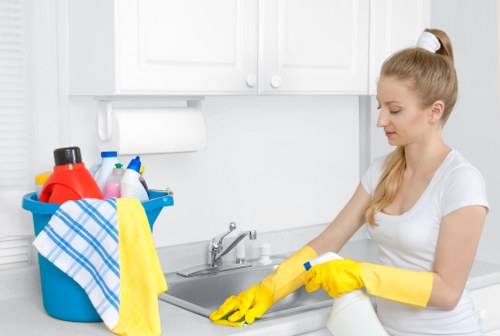 We believe that prevention is always better than reaction. That is why every cleaning assignment begins with a basic risk assessment, even when the task appears straightforward. The assessment considers the environment, the products to be used, the equipment required, and any hazards present on site. If a task cannot be completed safely, it must be paused until the issue is addressed. This approach helps cleaning staff work confidently while protecting the property and everyone in it.
Training and supervision are essential parts of this policy. All workers must be trained in safe handling, correct dilution of products, manual handling, emergency procedures, and the proper use of cleaning machines. New team members should not be left to carry out tasks without clear instruction. Supervisors must check that procedures are understood and followed, especially when equipment, surfaces, or chemicals change. Ongoing refresher sessions help keep standards consistent and reduce the chance of avoidable incidents.
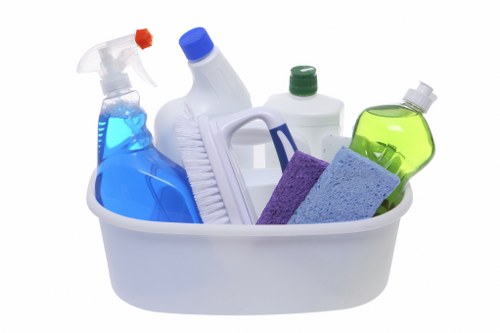
Cleaning products must be stored, labelled, and used correctly at all times. Staff should never mix chemicals unless the manufacturer specifically allows it, and they must always use suitable gloves or other protective items where required. Safe product use is a major part of daily practice for cleaners in TW9, especially when working in enclosed or busy areas. Spills should be dealt with promptly and safely, using the correct procedure for containment and disposal. Containers, spray bottles, and concentrates must be kept away from food areas and secured after use.
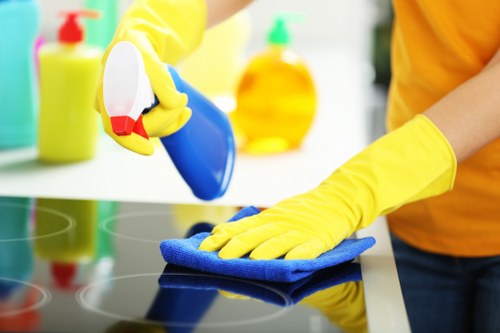 Equipment safety is equally important. Mops, vacuums, buffers, extension leads, and other tools should be checked before use to make sure they are in good condition. Damaged cords, loose parts, or faulty switches must be reported and removed from service immediately. When using powered equipment, cleaners must work in a way that avoids overreaching, strain, or entanglement. Good housekeeping also matters: cables should be routed safely, floors should be kept clear, and warning signs should be placed wherever there is a temporary hazard.
Manual handling procedures are designed to protect staff from back injuries and other strains. Where possible, loads should be reduced, split into smaller amounts, or moved with the help of suitable equipment. Cleaners should bend their knees, keep objects close to the body, and avoid twisting during lifting. Heavy bins, laundry bags, and supply crates should never be handled carelessly. If a task feels unsafe, support must be requested before continuing. A responsible cleaning safety policy recognises that no deadline is more important than injury prevention.
Personal protective equipment, or PPE, must be worn whenever a task requires it. This may include gloves, aprons, masks, goggles, or non-slip footwear depending on the work involved. PPE should fit properly, be kept clean, and be replaced when damaged. It is also important that cleaners know when PPE is necessary and when additional protection is needed because of dust, chemicals, body fluids, or sharp materials. The right equipment helps create a safer working environment and supports professional standards across all cleaning jobs.
Emergency preparedness is part of daily safety. Cleaners must know how to respond to fire alarms, injuries, chemical exposure, and accidental spills. First aid materials should be available, and any incident must be reported as soon as possible so that corrective action can be taken. If a floor becomes slippery, the area should be isolated immediately and made safe before work continues. Safety reporting is not optional; it is a core responsibility that helps prevent repeat accidents and improve future practice.
Workplace communication supports safe cleaning operations. Instructions should be clear, hazards should be flagged quickly, and any change in the environment must be shared with the relevant people. This is especially important where cleaners work around occupied premises, fragile surfaces, or restricted areas. All staff should feel confident to raise concerns if something appears unsafe. Open communication prevents confusion and allows the team to respond effectively to new risks. A strong safety culture depends on everyone taking responsibility, not only managers or supervisors.
To maintain high standards, the policy is reviewed regularly and updated when needed. Changes in equipment, cleaning products, work patterns, or safety requirements should be reflected in training and procedures. The aim is to keep all TW9 cleaners working to a consistent, practical, and safe standard. By following this policy, cleaners can complete their duties efficiently while reducing the chance of harm to themselves, clients, and the surrounding environment.
 Every cleaner must remember that safety is part of quality. A careful approach protects health, supports reliability, and ensures that cleaning work is carried out to a professional standard. By combining proper preparation, correct equipment, and a clear reporting culture, cleaners in TW9 can deliver excellent results without compromising wellbeing.
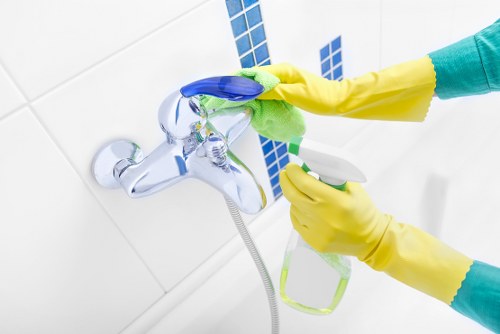 In summary, this health and safety policy for cleaners TW9 is designed to make safe working habits a natural part of every task. Whether the job involves routine tidying, deep cleaning, or specialist treatment, the same principles apply: assess risks, use equipment properly, handle substances carefully, and report concerns promptly. A safe workplace benefits everyone and reflects the professionalism of the service.