Richmond Hill end of tenancy cleaning experts
Posted on 14/08/2026
Richmond Hill end of tenancy cleaning experts: a practical guide for tenants, landlords, and letting agents
If you are moving out in Richmond Hill, you already know the last week can feel a bit chaotic. Boxes everywhere, a missing charger, keys to hand back, and that one kitchen cupboard you keep forgetting to clean. Richmond Hill end of tenancy cleaning experts step in at exactly that moment, helping you leave the property in the kind of condition that makes inspections much less stressful.
Done properly, end of tenancy cleaning is not just a tidy-up. It is a detailed, room-by-room reset designed to meet the expectations of landlords, agents, and inventory clerks. In this guide, we will cover what the service involves, why it matters, how it works, the usual mistakes people make, and how to choose a cleaning team that actually knows what they are doing. No fluff. Just useful, local advice.
For a broader look at the brand behind this kind of service, you can also browse the services overview and the company's about us page. If you are comparing move-out cleaning with other home services, the distinction is simple: this one is all about exit-ready detail.
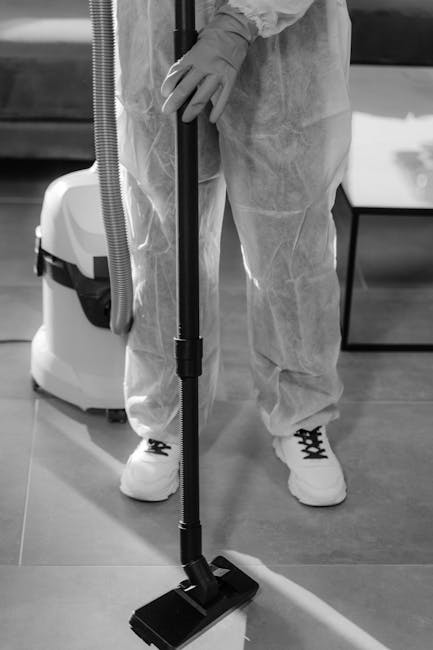
Why Richmond Hill end of tenancy cleaning experts Matters
End of tenancy cleaning matters because moving out is judged differently from ordinary domestic cleaning. A home can look fairly neat to the person living in it and still fail a move-out inspection. That is the awkward bit. The property may need skirting boards wiped, oven grease removed, bathroom limescale tackled, cupboards cleaned inside, and carpets refreshed if they have picked up everyday wear.
In Richmond Hill, where properties range from compact flats to family homes and period-style spaces, presentation tends to matter. Tenants often underestimate how much residue is left behind when a place has been lived in for months or years. Light switches, extractor fans, window tracks, shower screens, and the tops of doors are the usual culprits. Small things, yes. But they add up fast.
This is where specialists make a difference. Richmond Hill end of tenancy cleaning experts bring a methodical approach, stronger equipment, and a sharper eye for the details that inventories catch. It is not about making a place smell vaguely lemony and hoping for the best. It is about restoring a property to a condition that feels freshly handed over.
Expert summary: if you are moving out, the goal is not just "clean". It is "clean enough to survive a formal inspection without awkward surprises." That is the real standard.
There is also a practical side to it. A cleaner property can reduce back-and-forth with agents, save you time during a hectic move, and make the handover feel more professional. Let's face it, nobody wants to be mopping a floor at 10 pm while trying to locate passports and charger cables.
For readers who are also planning their next move in the area, the local housing context can be helpful. Articles like should you live in Richmond and a guide to successful Richmond real estate buying offer a useful sense of how property decisions in the area often overlap with timing, moving pressure, and end-of-tenancy logistics.
How Richmond Hill end of tenancy cleaning experts Works
The process is usually more structured than people expect. A proper end of tenancy clean normally starts with a walkthrough or a booked quote, followed by a detailed clean of all agreed areas. The best teams work from a checklist style plan, because consistency matters more than speed.
In practice, the job often includes:
- Kitchen degreasing, including hob, extractor, splashbacks, cabinets, and appliances
- Bathroom descaling, sanitising, and polishing of fittings
- Dust removal from surfaces, ledges, skirting, and fixtures
- Internal window and frame cleaning where accessible
- Vacuuming and floor cleaning throughout the property
- Spot cleaning walls, doors, handles, and switches
- Optional carpet or upholstery add-ons if needed
The service is usually tailored to the property condition. If a flat has been well kept, the job may be straightforward. If the oven looks like it has had a ten-year cooking marathon, the work becomes more intensive. That is normal. A professional cleaner should be realistic about what is possible in the available time.
Many people ask whether the service is different from a regular house clean. Yes, quite a bit. A domestic clean is typically about upkeep. An end of tenancy clean is about restoration and inspection readiness. If you want to compare those approaches, the house cleaning TW9 and domestic cleaning options show the difference in everyday maintenance versus a more exhaustive exit clean. One is weekly calm. The other is move-out recovery. Not the same thing at all.
Depending on the property, you may also see recommendations for targeted extras such as upholstery cleaning in Richmond upon Thames or carpet cleaning. These are often useful if soft furnishings have visible marks, odours, or heavy foot traffic. Just be careful not to add services you do not actually need. Wasteful on a tight moving budget, and to be fair, the flat probably does not need a full spa day.
Key Benefits and Practical Advantages
The biggest benefit is obvious: a better chance of a smooth handover. But there are several other advantages worth mentioning, and some are more practical than glamorous.
- Less inspection stress: you are not relying on a rushed DIY clean done the night before checkout.
- Better time management: you can focus on packing, utility changes, and moving day admin.
- More consistent results: professionals know the areas that are often checked closely.
- Stronger presentation: a freshly cleaned property looks cared for, even if you have been living on coffee and moving boxes for a week.
- Useful for inventory alignment: the condition at handover can better match what is expected.
There is also a reassurance factor that people often overlook. When you hire Richmond Hill end of tenancy cleaning experts, you are buying certainty at a point in the move where certainty is rare. A clean bathroom mirror may sound minor, but when the inventory says "spotless sanitary ware", it matters. The little things start to matter a lot.
From a commercial point of view, property managers also benefit. A clean, ready property can speed up reletting, reduce dispute friction, and help show the place at its best. If you are curious about the wider property market, the article on real estate sales in Richmond gives useful local context on how well-presented homes tend to perform in a competitive market.
A final advantage: specialist cleaners usually bring better products and a better sequence. They know not to mop before dusting, not to smear grease around a hob, and not to clean glass with the wrong cloth and create that annoying streaking. Simple? Yes. But this is where experience shows.
Who This Is For and When It Makes Sense
This service is for anyone handing back a rented property and wanting a proper finish. Most often, that means tenants, but landlords and letting agents may also need it between occupancies. It is especially sensible when the property has been lived in for a long period, has pets, or includes carpets and upholstered furniture that have picked up normal wear.
It tends to make the most sense in situations like these:
- You have a fixed move-out date and little time to clean properly.
- Your tenancy agreement expects professional-level cleaning on exit.
- You want a more reliable result than a rushed DIY effort.
- The property includes heavy-use areas such as carpets, sofas, or a well-used oven.
- You are preparing the home for new tenants or a valuation.
It is also sensible if your schedule is split between moving logistics and work. In real life, move-out week rarely behaves neatly. One moment you are wiping shelves, the next you are arguing with a cardboard box that refuses to stay folded. A specialist service takes one entire task off the list, and that can be the difference between a manageable move and a complete scramble.
Richmond Hill is a particularly good example of why local knowledge matters. Homes in the area can vary a lot in layout and age, and that means cleaning requirements can vary too. If you are still deciding on the area or just want a sense of the neighbourhood context, the piece on Richmond's local flavour and history is a nice read, and the guide to chic Richmond party venues is surprisingly useful if your move-out timeline overlaps with events, guests, or lifestyle changes. Life, as usual, gets a bit crowded.
Step-by-Step Guidance
If you want the clean to go well, the real secret is preparation. A professional team can do a lot, but the clean works best when the property is ready for them.
1. Start with your inventory and tenancy agreement
Check what the property looked like at the start of the tenancy and what your agreement expects at the end. Some agreements mention professional cleaning, carpet care, or specific standards for ovens and bathrooms. Keep the wording practical in mind, not dramatic. You are matching condition, not proving a point.
2. Remove personal belongings first
Cleaning a property that is still full of clothes, boxes, and kitchen bits slows everything down. Ideally, the space should be empty or close to empty before the cleaners arrive. That gives them access to edges, corners, shelves, and all the little spots dust likes to hide in.
3. Flag problem areas in advance
If there are stubborn marks, limescale, pet hair, or stained carpets, say so early. The right cleaner can plan for it. Surprises on the day are rarely helpful, and they usually cost time.
4. Decide whether add-on services are needed
Not every property needs carpet or upholstery treatment. But if there are visible marks, smells, or high-traffic wear, it may be worth pairing the main clean with a specialist service. This is where a bit of judgement helps. No point overbuying. No point underdoing it either.
5. Allow enough time for drying and inspection
Some surfaces, floors, or fabrics need drying time. Leave breathing room before handover so you are not chasing damp patches at the last minute. Honestly, the 7:30 pm clean-before-morning-checkout plan is rarely anyone's finest hour.
6. Do a final walk-through
Once the cleaning is done, walk through each room with the inventory in mind. Check light fittings, inside cupboards, edges around taps, and the places that are easy to miss when you are tired. The final pass is where most issues get caught early.
Expert Tips for Better Results
A few small habits make a surprisingly big difference. The best end of tenancy results often come from avoiding friction, not just from using stronger products.
- Clean in the right order: top to bottom, dry to wet, room by room.
- Let products dwell: bathroom and kitchen cleaners need time to work before wiping.
- Open drawers and cupboards: missed interiors are one of the easiest ways to fail a detailed check.
- Use light in your favour: daylight or a bright lamp shows streaks and dust much better than a dim room.
- Do not mask odours: remove the source rather than spraying over it.
- Photograph the property after cleaning: a quick record can be useful if questions arise later.
One small but important tip: pay attention to touch points. Handles, switches, banisters, appliance knobs, and door edges are handled more than people realise. They collect skin oils and grime quietly, almost rudely. Clean them well and the whole property feels fresher.
If you are comparing levels of service, read through the wider service overview before booking. It helps you understand what is standard, what counts as an add-on, and where the value really sits. Clarity saves arguments later. Usually.

Common Mistakes to Avoid
Most end of tenancy problems come from simple, avoidable errors. Nothing exotic. Just rushed decisions and optimistic assumptions.
- Leaving it too late: a same-day clean before key handover is risky.
- Assuming a quick surface wipe is enough: it usually is not.
- Forgetting hidden areas: behind appliances, inside bins, and top corners collect more grime than people think.
- Skipping kitchen appliances: ovens and extractor fans are frequent inspection points.
- Ignoring carpets and soft furnishings: stains and odours stand out more than you expect.
- Using the wrong products: some surfaces need careful treatment, not aggressive scrubbing.
Another common mistake is booking a general cleaner when you really need a move-out specialist. That is not a criticism of general domestic cleaning. It is just a different job. A weekly cleaner helps maintain a lived-in home. Richmond Hill end of tenancy cleaning experts are there to restore a property for formal return. Different lane, different result.
One more thing: do not forget communication. If there is damage that cleaning cannot solve, it is better to know early. A burnt mark, chipped sealant, or broken fixture is not a cleaning issue, and pretending otherwise only adds stress. Better to be direct. Saves everybody a headache.
Tools, Resources and Recommendations
You do not need to become a professional cleaner to prepare well, but it helps to know what good tools and processes look like.
| Area | What helps | Why it matters |
|---|---|---|
| Kitchen | Degreaser, oven cleaner, microfiber cloths, scraper for safe use on suitable surfaces | Kitchen residue is often the toughest part of the job |
| Bathroom | Descaler, sanitising product, non-abrasive pads | Limescale and soap scum are highly visible in inspections |
| Floors | Vacuum, mop, carpet treatment where needed | Floors influence the overall impression fast |
| Upholstery | Fabric-safe cleaner, spot treatment, professional cleaning if stained | Soft furnishings hold odours and traffic marks |
| General finishing | Microfiber cloths, detail brushes, bright light, checklist | Small details separate average cleaning from expert cleaning |
For practical planning, these pages are useful starting points: pricing and quotes for budget planning, payment and security if you want to understand checkout confidence, and insurance and safety if you care about risk management. They are not glamorous reads, granted, but they do answer the questions people ask right before booking.
If you are arranging more than one type of clean, it can help to think in layers: exit cleaning first, then carpets or upholstery if required, then final touch-ups. That order tends to make the whole process smoother. A bit like packing: heavy items first, fragile stuff last. Simple, but useful.
Law, Compliance, Standards, or Best Practice
End of tenancy cleaning in the UK sits in a practical space rather than a heavily regulated one, but there are still important standards and best practices to understand. Tenancy agreements commonly set the expectations, and inventory reports usually decide whether the property condition is acceptable at handover. That means documentation matters.
It is wise to read the tenancy agreement carefully, especially any clauses about professional cleaning, carpet treatment, or returning the property in the same condition as at move-in, allowing for fair wear and tear. Those phrases can sound broad, and they are. That is why evidence and clarity help.
From a cleaner's point of view, safe practice matters too. Responsible companies should follow sensible health and safety procedures, use products appropriately, and treat the property with care. If you want to understand the approach behind that, the company's health and safety policy, terms and conditions, and complaints procedure are the kind of pages that show how they handle real-world service standards. Not exciting, perhaps, but reassuring. And reassurance is worth something when keys are changing hands.
Best practice also includes fairness in how expectations are set. A good cleaner should explain what is included, what counts as an extra, and what condition the property needs to be in before work starts. That way, nobody is guessing. No one likes surprises at the front door with a clipboard.
Options, Methods, or Comparison Table
If you are choosing between cleaning approaches, it helps to compare them side by side. The cheapest option is not always the smartest, especially if an inspection is involved.
| Option | Best for | Pros | Limitations |
|---|---|---|---|
| DIY end of tenancy clean | Very small, lightly used properties | Low direct cost, full control | Time-consuming, easy to miss details, harder to match inspection standards |
| General domestic cleaning | Regular upkeep | Good for maintenance, flexible | Usually not detailed enough for exit handover |
| Specialist end of tenancy cleaning | Move-outs, inventory checks, landlord handovers | Detailed, structured, inspection-focused | Higher upfront cost than DIY |
| End of tenancy clean plus extras | Properties with carpets, upholstery, or heavy kitchen use | More complete finish, better for presentation | May not be needed if the property is already in good condition |
For many people, the specialist route is the best middle ground. You get a structured result without having to spend your last weekend scrubbing a bath with three different products and a tired expression. If the property is especially worn or the handover is strict, pairing the clean with targeted treatments can be the smarter call.
Case Study or Real-World Example
Picture a typical Richmond Hill flat: two bedrooms, one bathroom, a compact kitchen, and carpets in the main living area. The tenant has packed most things, but the oven is greasy, the shower screen has limescale, and the skirting boards have the usual dust line that builds up when no one is looking. There is also a faint smell from a fabric sofa that has seen one too many takeaway nights. Happens more often than you think.
In that situation, a professional end of tenancy clean would usually begin with the kitchen and bathroom, because those are the rooms most likely to be checked closely. Then the team would move into the living areas, dusting fixtures, cleaning accessible glass, vacuuming thoroughly, and dealing with the soft furnishings if requested. The final walk-through would focus on edges, switches, and the places that catch the eye during an inventory inspection.
The useful part of this example is not the cleaning itself; it is the sequence. A rushed clean often starts with whatever looks most obvious. An expert clean starts with the areas most likely to cause a problem. That small difference changes the outcome a lot.
For someone moving out after living there for several years, the emotional side can matter too. You are not just cleaning a property. You are closing out a chapter. A good clean makes that handover feel finished, and that matters more than people admit aloud.
Practical Checklist
Use this checklist before and after the clean to keep everything on track.
- Confirm your move-out date and access time.
- Read the tenancy agreement and inventory notes.
- Remove all belongings and personal items.
- Defrost and empty the fridge or freezer if needed.
- Report any damage that is not a cleaning issue.
- Identify carpets, upholstery, or appliance extras in advance.
- Make sure utilities are available if the clean needs water or electricity.
- Check that all cupboards, drawers, and storage areas are empty.
- Inspect the final result room by room.
- Take photos after cleaning, just in case.
Quick tip: if you have only one hour to spare before the cleaners arrive, use it to clear surfaces and remove rubbish. That single action makes the whole job easier. It really does.
Conclusion
Richmond Hill end of tenancy cleaning experts are not just there to make a property look nicer. They are there to help you hand back a home with confidence, reduce friction at inspection time, and make a busy transition feel a little more manageable. If you are moving out, that kind of support can be genuinely valuable.
The best results usually come from three things: clear expectations, good timing, and a specialist who understands what landlords and letting agents actually look for. Keep those in mind, and the process becomes much less stressful. Cleaner, calmer, done properly.
If you are comparing service options, checking what is included, or simply trying to work out what kind of clean your property needs, it is worth taking a moment to review the details before you book. A few minutes now can save a lot of back-and-forth later.
Get a free quote today and see how much you can save.
And when the handover is done and the last box is out the door, there is a particular kind of quiet that settles in. A good one, actually. The work is finished, the property is ready, and you can finally exhale.